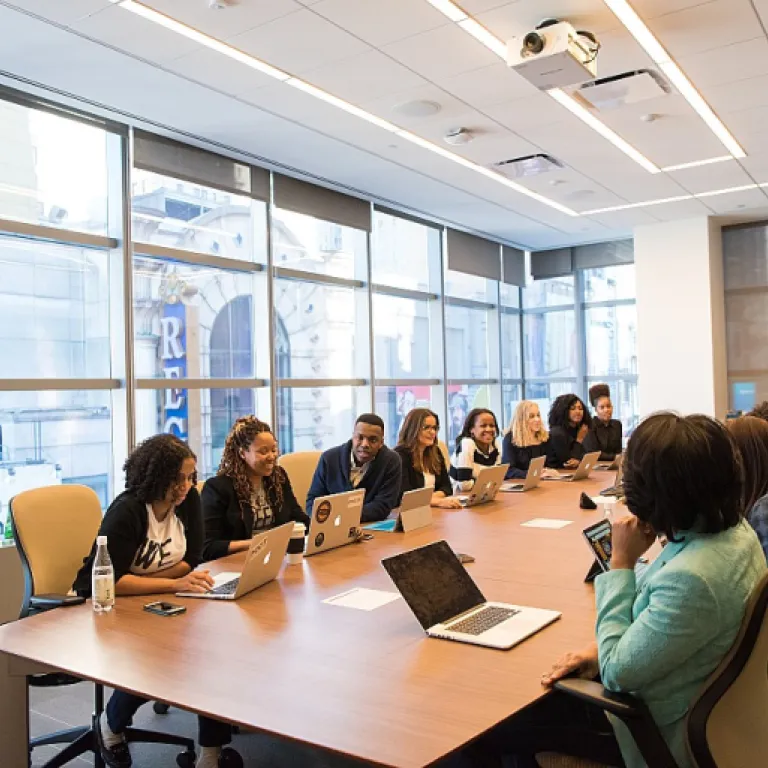
Understanding the impact of challenging employees on team dynamics
The Ripple Effect of Challenging Employees on Team Performance
Every workplace has its share of difficult personalities. Whether it’s a passive aggressive employee, a person who resists feedback, or someone who disrupts team dynamics, the presence of challenging employees can have a significant impact on the work environment. Understanding how these employee types influence team performance is crucial for effective management and resource management. When a difficult employee displays problematic behavior, it doesn’t just affect their own performance. Their actions can ripple through the team, causing stress, reducing morale, and even leading to decreased productivity. Over time, this can erode trust, hinder communication, and make it harder for people to collaborate effectively. In some cases, the most challenging employees can create a toxic work environment that drives away top talent.Why Leaders Need to Address Difficult Personalities
Ignoring difficult employees rarely solves the problem. Instead, it often allows negative behaviors to become normalized, making it harder for management and human resources to set clear expectations. Leaders who proactively address challenging employee types help protect the team’s cohesion and ensure that everyone can contribute their best work. Some of the most common impacts of challenging employees on team dynamics include:- Increased conflict and tension among team members
- Lowered motivation and engagement
- Reduced trust in leadership and among colleagues
- Disrupted workflows and missed deadlines
- Higher turnover rates and loss of valuable employees
Identifying the 7 most challenging employee types
Recognizing Difficult Personalities in the Workplace
Every team is unique, but certain challenging employee types tend to appear in most workplaces. Identifying these personalities early can help managers and human resource professionals address issues before they impact team performance and work environment. Understanding these types is essential for effective resource management and maintaining healthy team dynamics.
- The Passive-Aggressive Employee: This person may avoid direct confrontation but expresses dissatisfaction through indirect actions, missed deadlines, or subtle resistance. Their behavior can undermine communication and create confusion within the team.
- The Chronic Complainer: Always finding fault, this employee focuses on problems rather than solutions. Their negativity can drain morale and distract others from productive work.
- The Know-It-All: Confident in their opinions, these employees often dismiss others’ ideas. Their unwillingness to collaborate can stifle creativity and frustrate team members.
- The Non-Communicator: Withholding information or failing to communicate effectively, this type can cause misunderstandings and disrupt workflow. Clear expectations and proactive communication are crucial here.
- The Resistant to Change: Some people struggle with adapting to new processes or technologies. Their reluctance can slow progress and affect overall team performance.
- The Micromanager: This employee type struggles to delegate and often over-controls others’ work. Their lack of trust can hinder autonomy and demotivate the team.
- The Underperformer: Consistently failing to meet expectations, this person may need additional support or coaching. Their lack of contribution can put extra pressure on colleagues.
Dealing with these challenging employee types requires a thoughtful approach. It’s important to remember that most difficult people don’t intend to disrupt the workplace. Often, their behavior stems from unmet needs, unclear expectations, or mismatched roles. By recognizing these patterns, leaders can tailor their management and communication strategies to address specific challenges and foster a more productive work environment.
For more insights on managing conflict and improving team dynamics, you may find this guide to mastering conflict resolution for effective leadership helpful.
Effective communication strategies for difficult personalities
Building Trust Through Open Dialogue
Dealing with difficult personalities in the workplace requires more than just technical management skills. It starts with building trust and creating an environment where employees feel safe to express concerns and ideas. Open dialogue helps reduce misunderstandings and encourages employees to share their perspectives, even if they are challenging or passive aggressive. This approach can improve team dynamics and overall work environment.
Tailoring Communication to Different Employee Types
Each challenging employee type—whether passive, aggressive, resistant to change, or otherwise—requires a slightly different communication approach. Recognizing these differences is key to effective communication. For example, passive employees may need encouragement to speak up, while more assertive or difficult people might benefit from clear expectations and boundaries. Understanding personality and behavior patterns helps managers communicate effectively and address issues before they impact team performance.
- Active listening: Give employees your full attention, acknowledge their feelings, and clarify their points to avoid miscommunication.
- Non-confrontational language: Use "I" statements and focus on behaviors, not personalities, to prevent defensiveness.
- Consistent feedback: Offer regular, constructive feedback to guide improvement and reinforce positive behavior.
- Clear communication channels: Make sure everyone knows how and when to communicate concerns or ideas, reducing the risk of passive aggressive behavior.
Leveraging Tools and Resources for Better Outcomes
Modern resource management and human resource practices often include predictive analytics and artificial intelligence to identify patterns in employee behavior. These tools can help managers anticipate potential issues with difficult employees and tailor their communication strategies accordingly. However, technology should support—not replace—human-centric communication. Investing time in developing your own communication skills remains essential.
For leaders seeking to improve their approach to dealing with challenging employee types, growth mindset worksheets can be a practical tool. They encourage self-reflection and help both managers and employees adopt a more adaptive, solution-focused mindset in the workplace.
Setting boundaries and maintaining professionalism
Establishing Clear Expectations and Boundaries
Setting boundaries is essential when managing challenging employee types. Without clear expectations, difficult personalities can disrupt the work environment and negatively impact team dynamics. Start by outlining what acceptable behavior looks like in your workplace. Use direct, respectful communication to clarify roles, responsibilities, and performance standards. This approach helps employees understand the limits of acceptable conduct and the consequences of crossing those lines.- Define what is considered professional behavior for all employee types, including passive aggressive or difficult employees.
- Communicate expectations in writing and revisit them regularly during team meetings or one-on-one sessions.
- Ensure consistency in applying boundaries to avoid perceptions of favoritism or unfair management.
Maintaining Professionalism in Difficult Situations
When dealing with difficult people, it is important to remain calm and objective. Emotional reactions can escalate conflicts and undermine your authority. Instead, focus on the behavior, not the person. Address issues promptly and privately, using effective communication to explain how certain actions affect the team and overall performance.- Document incidents involving challenging employees to support your management decisions if further action is needed.
- Use predictive analytics or artificial intelligence tools, if available, to identify patterns in employee behavior and intervene early.
- Involve human resources or resource management professionals when situations become complex or when legal compliance is required.
Balancing Accountability and Support
Holding employees accountable is crucial, but so is providing support for improvement. Offer constructive feedback and opportunities for development. For most challenging employee types, a balance between clear consequences and encouragement can motivate positive change. Remember, your goal is to foster a productive work environment where all team members can thrive. By consistently applying these principles, you reinforce a culture of respect and professionalism, making it easier to manage even the most difficult personalities in your team.Coaching and development approaches for improvement
Personalized Coaching for Lasting Change
Coaching is a powerful tool in leadership development, especially when dealing with the most challenging employee types. Every person brings a unique personality and set of behaviors to the workplace. To support improvement, it’s essential to tailor your coaching approach to the specific needs of each employee.- Start with clear expectations: Clearly communicate what is expected in terms of performance and behavior. This helps employees understand the standards and reduces confusion.
- Use effective communication: Listen actively and ask open-ended questions. This encourages difficult employees to express their perspectives and helps you identify underlying issues.
- Focus on strengths and growth areas: Acknowledge what the employee does well, then collaboratively identify areas for development. This balanced approach fosters trust and motivation.
- Set measurable goals: Work with the employee to set realistic, time-bound objectives. This gives both parties a clear path forward and makes progress easier to track.
- Provide regular feedback: Offer constructive feedback consistently. Address both positive changes and ongoing challenges to reinforce desired behaviors.
Adapting to Different Personalities
Not all difficult personalities respond to the same coaching style. For example, passive aggressive employees may need more direct communication, while highly assertive types might benefit from collaborative problem-solving. Understanding these differences is key to effective resource management and team dynamics.- Passive employees: Encourage participation and recognize contributions to build confidence.
- Challenging employees: Stay patient and consistent, focusing on facts rather than emotions.
- Difficult personalities: Use empathy to understand their perspective, but maintain professional boundaries.
Leveraging Data and Technology
Human resources and management teams can use predictive analytics and artificial intelligence to identify patterns in employee behavior and performance. These tools help pinpoint which employee types may need more support, allowing for proactive coaching and development. However, technology should complement—not replace—human-centric leadership.Building a Supportive Work Environment
Creating a culture of continuous improvement benefits everyone. Encourage team members to seek feedback, share challenges, and celebrate progress. Over time, this approach can transform even the most difficult employees into valuable contributors, improving the overall work environment and team performance.When to escalate: Knowing when intervention is necessary
Recognizing When Additional Support Is Needed
Sometimes, even with strong communication and clear expectations, a challenging employee’s behavior persists. It’s important to recognize when your efforts as a manager or team leader are not enough, and when it’s time to involve additional resources. This is not a sign of failure, but rather a responsible approach to maintaining a healthy work environment and team dynamics.Indicators That Escalation May Be Necessary
- Repeated disruptive behavior despite coaching and feedback
- Negative impact on team performance or morale
- Escalating conflicts that affect the workplace atmosphere
- Signs of passive aggressive actions or refusal to communicate effectively
- Potential violations of company policies or ethical standards
Steps to Take Before Escalating
Before turning to human resources or upper management, ensure you have:- Documented all incidents and your attempts to address the behavior
- Provided clear feedback and outlined the consequences of continued issues
- Offered support, such as coaching or training, to help the employee improve
